





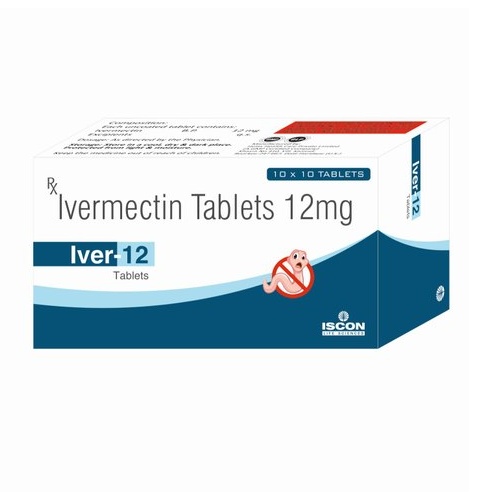
| Brand / Generic Name | Ivermectin |
|---|---|
| Therapeutic Use | Treatment of parasitic infections (antiparasitic agent) |
| Main Compound | Ivermectin |
| Available Strengths | 3 mg, 6 mg, 12 mg tablets — also topical formulations |
| How quickly does it work? | Typically within 24–48 hours for most parasitic conditions |
| Length of action | One dose generally covers a complete treatment cycle; duration of effect depends on indication |
| Prescription Status in Australia | Prescription required (as per Therapeutic Goods Administration, TGA) |
| Food Instructions | Should be taken on an empty stomach with water |
Ivermectin is a widely used antiparasitic medication that treats several types of parasitic infections in humans, including scabies, strongyloidiasis, and some other worm infestations. In Australia, it is available by prescription and is regulated by the Therapeutic Goods Administration (TGA) to ensure safe and effective use. If you are considering Ivermectin for a parasitic condition, this guide addresses the practical decisions you may face — from understanding your diagnosis to choosing, using, and accessing the right treatment.
Parasitic infections such as scabies and strongyloidiasis are more common than many realise. According to the Australian Institute of Health and Welfare (AIHW), scabies remains a significant cause of skin-related hospitalisations, especially among Indigenous Australians and in remote communities, with scabies outbreaks reported annually (AIHW, 2022). Strongyloidiasis is endemic in some northern regions, and the World Health Organization (WHO) estimates that neglected tropical diseases, including those treated by Ivermectin, affect millions globally (WHO, 2023). These conditions are rarely spoken about openly, but they are medically recognised, treatable, and you are not facing them alone. Effective therapies are available — and Ivermectin is a core part of that arsenal.
Ivermectin targets parasites by interfering with their nervous system. It binds to specific channels (called glutamate-gated chloride channels) present in nerve and muscle cells of the parasite but not in humans, causing paralysis and death of the organism. For the patient, this means that after taking Ivermectin, the underlying cause of persistent itching, skin rashes, or gastrointestinal symptoms is interrupted at its source.
The action of Ivermectin is highly specific to parasites and does not affect human nerve cells in the same way, which is why it can be used safely for most individuals when prescribed correctly.
| Situation | Recommendation | Reasoning |
|---|---|---|
| You have a confirmed diagnosis of scabies or strongyloidiasis, with no known medication allergies or liver problems. | Ivermectin is appropriate | The medication is first-line for these conditions and is typically well-tolerated. |
| You are pregnant, breastfeeding, or have severe liver disease. | Ivermectin is generally not recommended | There is insufficient safety data for these groups, and alternative treatments may be safer. |
| You have a parasitic skin condition but are under 15 kg or younger than 5 years old. | Consultation required; off-label use only under specialist supervision | Dosing in small children is not routinely recommended due to limited safety data. |
| You suspect a parasite but have not been diagnosed by a doctor. | Do not self-treat with Ivermectin | Misdiagnosis can lead to unnecessary exposure and delay proper treatment. |
| You have a strong history of allergic reactions to medications. | Discuss with your doctor before use | Allergy risk, while rare, must be considered in context. |
The decision to use Ivermectin should always be based on a confirmed diagnosis and individual medical factors. Self-medication, especially for unexplained symptoms, is not recommended.
Never combine Ivermectin with alcohol, and inform your doctor of all other medications you are taking to avoid possible interactions. If you vomit within an hour of taking Ivermectin, speak to your doctor as you may need a repeat dose.
Certain people should not use Ivermectin, or should do so only under close medical supervision:
If any of these situations apply to you, your doctor may recommend an alternative medication.
Symptoms of overdose, though rare, can include loss of coordination, confusion, or significant changes in vision. In such cases, urgent medical attention is required.
Always inform your doctor or pharmacist about all products you are using before starting Ivermectin.
| Medication | When Preferred | Key Differences |
|---|---|---|
| Ivermectin | First choice for strongyloidiasis and crusted scabies; used for classic scabies if topical therapy fails or is impractical | Oral route is convenient, effective for systemic infections; generally well tolerated |
| Permethrin cream | First-line for classic scabies, especially in children and pregnant women | Topical application; minimal systemic absorption; lower risk for certain populations |
| Benzyl benzoate lotion | Alternative topical agent for scabies | May cause skin irritation; less convenient due to application procedure |
| Albendazole or mebendazole | Other intestinal worms (e.g., hookworm, roundworm) | Not effective for strongyloidiasis; used for different parasites |
Ivermectin is usually the best choice where oral therapy is needed or when topical treatments are unsuitable. For classic scabies in young children or pregnant women, permethrin is preferred due to its established safety profile. Your doctor will discuss the ideal option based on your clinical scenario.
In Australia, Ivermectin prescriptions are required by law, and the medication is dispensed at community pharmacies. Some online telehealth platforms offer consultations and can send prescriptions to your nominated pharmacy or, in select cases, arrange home delivery. It is important to use reputable sources to avoid counterfeit or unregulated products.
| Expense Item | Cost (AUD) | Details |
|---|---|---|
| Doctor consultation (in-person or telehealth) | $40 – $100 | Varies by clinic and state; Medicare rebates may apply |
| Prescription fee | $0 – $20 | Some clinics charge a separate script fee |
| Ivermectin (3 mg, 6 mg, 12 mg tablets) | $18 – $45 (per course) | Dependent on dose, quantity, and pharmacy pricing |
| Home delivery (if applicable) | $0 – $10 | Some pharmacies offer free delivery, others charge a fee |
| Total Cost | $58 – $175 | Lowest is Medicare bulk-billed, in-person; highest is private telehealth + delivery |
These figures are approximate and may vary. Always confirm costs up front with your doctor or pharmacy. Subsidised rates may be available through Medicare or the Pharmaceutical Benefits Scheme (PBS), depending on your eligibility and the specific parasitic condition.
Accurate diagnosis and tailored treatment are essential for safe and effective management of parasitic infections. For all questions specific to your health circumstances, your general practitioner or a specialist in infectious diseases or dermatology in Australia is equipped to guide your next steps.
No account yet?
Create an Account