






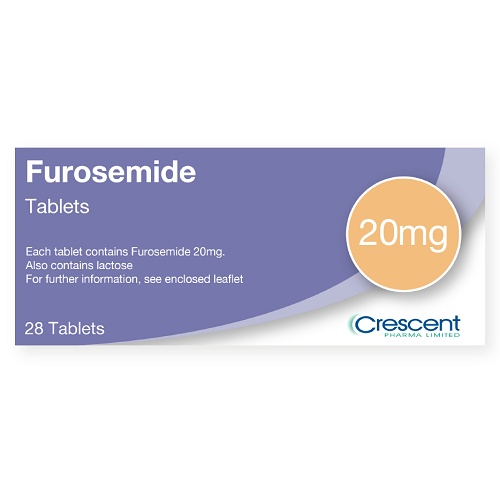
- Home/
- Buy Furosemide Online in Australia – Fast Delivery and Secure Service

Furosemide in Australia: The Ultimate Guide (2026 Update)
Summary: Key Facts about Furosemide in Australia
| Parameter | Details |
|---|---|
| Active Ingredient | Furosemide (also known as frusemide in Australia) |
| Common Brands | Lasix®, Urex®, generic frusemide |
| Prescription Status | Prescription required in Australia (as of 2026) |
| Main Use | Treatment of oedema (fluid retention) in conditions like heart failure, liver cirrhosis, kidney disease, hypertension |
| Typical Starting Dose (adults) | 20–40 mg once daily (adjusted individually) |
| Onset of Action | Within 1 hour (oral), 5 minutes (IV) |
| Peak Effect | 1–2 hours (oral) |
| Duration | 6–8 hours (oral) |
| Absolute Contraindication | Severe electrolyte imbalance, anuria (no urine output), hypersensitivity |
| Most Common Side Effect | Increased urination, low potassium, dehydration |
| Approximate Price | $8–$25 (30 tablets, depending on brand and strength in 2026) |
Bottom line: Furosemide is a potent diuretic used for fluid overload but must be prescribed and monitored by a doctor in Australia.
Can I get Furosemide without a prescription in Australia?
No. In Australia, Furosemide is a Schedule 4 (S4) prescription-only medication under the Therapeutic Goods Administration (TGA) regulations. It is illegal and unsafe to obtain Furosemide without a valid Australian prescription from a registered healthcare professional. Online pharmacies and telehealth services in Australia also require a prescription before dispensing Furosemide. Buying from unregulated sources or overseas sites is both risky and unlawful.
What is Furosemide and what conditions does it treat?
- Furosemide (known as frusemide in Australia) is a powerful “loop diuretic” — a medicine that increases urine output by acting on the kidneys’ loop of Henle.
- It helps remove excess fluid (oedema) from the body caused by conditions such as heart failure, liver cirrhosis, kidney disease (nephrotic syndrome, chronic kidney disease), and sometimes for controlling high blood pressure.
- It is not a cure for the underlying condition but helps relieve symptoms related to fluid overload (swelling, breathlessness).
- Furosemide is considered an essential medicine and is included in the WHO Model List of Essential Medicines.
Myth vs Reality: Myth: “Diuretics like Furosemide are just for high blood pressure.” Reality: In Australia, Furosemide is more often used for treating swelling associated with heart or kidney failure than for blood pressure alone, where other drugs are usually preferred first.
How does Furosemide work in the body? (Pharmacology explained)
Furosemide blocks the sodium-potassium-chloride cotransporter (NKCC2) in the thick ascending limb of the loop of Henle in the kidney. This inhibits the reabsorption of sodium and chloride from the urine back into the bloodstream, leading to increased loss of sodium, chloride, and water in the urine. As a result, there is a rapid reduction of excess fluid in the body and a decrease in blood pressure.
On a biochemical level, Furosemide disrupts the osmotic gradient necessary for water reabsorption, leading to diuresis (increased urine output). This process also increases the excretion of potassium, calcium, and magnesium, which is why electrolyte balance must be monitored.
Simple metaphor: Imagine your kidneys as a dam with floodgates. Furosemide opens the floodgates wide, letting water (urine) rush out — but if you leave them open too long, you risk draining the reservoir (dehydration) or washing away important minerals (electrolytes).
Furosemide works independently of hormones like aldosterone, which is why it is effective even in severe heart or kidney failure, where hormonal control is already disturbed.
Expert Commentary from doctor
In my clinical experience, the most frequent problem I see is patients underestimating how quickly Furosemide can cause dehydration or low potassium. People often think, “It’s just a water pill, how risky could it be?” But taking it without close monitoring, especially in summer or during illness, can rapidly lead to serious complications like dizziness, confusion, or even dangerous heart rhythms. I always stress the importance of regular blood tests, especially in older adults or anyone with kidney or liver issues. Don’t assume it’s safe to adjust the dose up or down on your own — small changes can have big effects. One more thing: always discuss any new symptoms, even if they seem minor. Don’t wait for your next appointment.
How should I take Furosemide? (Dosage, timing, and duration)
| Condition | Typical Starting Dose (Adult) | Maximum Daily Dose | Special Notes |
|---|---|---|---|
| Oedema (fluid overload) | 20–40 mg once daily, increased as needed | 600 mg (hospital supervised only) | Adjust to lowest effective dose |
| Hypertension | 20–40 mg once or twice daily | Not first-line for blood pressure in Australia | Monitor electrolytes frequently |
| Heart failure (acute) | 20–80 mg oral or IV, may repeat after 6–8 h | Titrate under medical supervision | Hospital setting preferred for IV therapy |
- Take Furosemide in the morning to avoid waking at night to urinate.
- Swallow tablets whole with water; some brands can be split, but check with your pharmacist as not all forms are designed to be broken.
- Never exceed the prescribed dose. The maximum dose can only be reached under strict hospital monitoring due to severe risk of dehydration and electrolyte disturbances.
- Elderly patients and those with kidney or liver impairment often require lower starting doses and closer monitoring.
- Children: Dose is by body weight, and only under specialist care.
- Duration: Short-term for acute fluid overload; sometimes long-term for chronic conditions, but always with regular follow-up in Australia.
- If you miss a dose: Take it as soon as you remember — but if it’s nearly time for your next dose, skip the missed one. Never double up.
Peak effect: 1–2 hours after taking by mouth. Duration of action: Usually 6–8 hours.
How do food, alcohol, and lifestyle factors affect Furosemide?
- Food:
- Taking Furosemide with food may slow absorption, so onset is delayed by about 30–60 minutes, but overall effect is similar. For fastest action, take on an empty stomach.
- Fatty Meals:
- High-fat meals further slow absorption. If you need a rapid effect (e.g., for swelling), avoid heavy meals before your tablet.
- Alcohol:
- Alcohol should be limited or avoided. Combined use increases risk of dehydration, dizziness, and falls — especially in older adults. Strictly avoid large amounts; a standard drink (less than 10 grams of alcohol) may be permissible if your doctor agrees, but always check first.
- Grapefruit juice:
- No clinically relevant interaction confirmed. However, discuss with your doctor before combining Furosemide with any unusual dietary products.
- Salt and fluid intake:
- Do not restrict fluids or salt unless instructed by your doctor. Too little salt can worsen low blood sodium (hyponatraemia).
- Other lifestyle factors:
- Hot weather, excessive exercise, diarrhoea, or vomiting can increase risk of dehydration and electrolyte loss while taking Furosemide. Stay hydrated and seek advice if you are unwell.
Who should not take Furosemide? Absolute and relative contraindications
| Type | Condition | Explanation |
|---|---|---|
| Absolute | Anuria (no urine output) | Furosemide cannot work if no urine is produced |
| Absolute | Severe electrolyte disturbances (e.g. low potassium, low sodium) | May worsen imbalances and cause life-threatening complications |
| Absolute | Hypersensitivity to sulfonamides | Risk of severe allergic reaction |
| Absolute | Severe dehydration | Can precipitate shock, kidney failure |
| Relative | Low blood pressure (hypotension) | May cause fainting, falls, or organ damage |
| Relative | Kidney or liver dysfunction | Requires lower doses and close monitoring |
| Relative | Pregnancy and breastfeeding | Only if benefits outweigh risks, specialist advice needed |
| Relative | Prostate enlargement, urinary retention | May worsen symptoms |
| Relative | Gout | Can increase uric acid, triggering attacks |
- Do not combine Furosemide with: Lithium, aminoglycoside antibiotics (e.g., gentamicin), metformin (in severe dehydration), or other drugs that prolong QT interval unless under specialist supervision.
- After a heart attack: May be used under close supervision if fluid overload develops, but not in the acute phase unless indicated by your cardiologist.
What side effects are most common with Furosemide?
| Frequency | Side Effect | Mechanism/Notes |
|---|---|---|
| Very Common >1/10 |
Increased urination | Direct effect of drug |
| Common 1/10–1/100 |
Low potassium (hypokalaemia) | Due to potassium loss in urine; can cause muscle weakness, arrhythmia |
| Common | Low sodium (hyponatraemia) | Loss in urine; can cause confusion, seizures |
| Common | Dizziness, headache | Related to dehydration or low blood pressure |
| Common | Muscle cramps | Electrolyte imbalance |
| Rare <1/1000 |
Hearing loss (ototoxicity) | Usually high IV doses or in kidney failure |
| Rare | Allergic reaction (rash, itching, severe swelling) | Potentially serious |
| Very Rare | Severe skin reactions (Stevens-Johnson syndrome) | Life-threatening, immediate cessation required |
| Very Rare | Pancreatitis, jaundice | Signs of liver involvement |
If any of the following occur, stop taking Furosemide and seek immediate medical attention:
- Difficulty breathing, swelling of face/lips/tongue (anaphylaxis)
- Severe weakness, palpitations, confusion, or fainting
- Unexplained bruising, skin rash, or yellowing of the eyes
Most milder side effects (e.g. increased urination, mild cramps) can be managed with dose adjustment or dietary advice. Always report new or worsening symptoms to your doctor promptly.
Common Patient Mistakes Observed by doctor
- “Doubling up” after a missed dose: This can cause sudden dehydration or dangerously low potassium. Never take two doses at once. If you forget, just skip and take the next as normal.
- Taking at night: Leads to disrupted sleep from needing to urinate. Best taken in the morning unless your doctor instructs otherwise.
- Stopping suddenly without medical advice: Can result in fluid overload returning rapidly, especially in heart failure. Always discuss with your doctor before stopping.
- Combining with other medicines without checking: Especially painkillers (NSAIDs), antibiotics, or herbal supplements, increasing risk of kidney damage or interactions. Always check with your pharmacist or doctor before adding anything new.
- Not doing blood tests as advised: Electrolyte imbalances may develop silently and only show up in blood tests. Attend regular monitoring even if you feel well.
- Self-adjusting fluid or salt intake: Restricting fluids or salt without instructions can make side effects worse. Follow your doctor’s advice exactly.
Furosemide compared to alternatives: Which is best for you?
| Medication | Onset Speed (oral) | Duration | Side Effects | Indication | Price (30 tabs, AU$) |
|---|---|---|---|---|---|
| Furosemide (Lasix, generics) | ~1 hour | 6–8 hours | Electrolyte changes, dehydration | Oedema, heart/kidney/liver failure | $8–$25 |
| Bumetanide | ~0.5–1 hour | 4–6 hours | Similar to furosemide, but more potent per mg | When furosemide insufficient | $18–$30 |
| Spironolactone | 2–4 hours | 12–24 hours | Raised potassium, breast tenderness | Oedema, ascites, heart failure, resistant hypertension | $12–$22 |
| Hydrochlorothiazide | 2–4 hours | 6–12 hours | Low potassium, mild dehydration | Hypertension, mild oedema | $10–$18 |
In short: Furosemide is the most widely used for rapid, strong diuresis in severe oedema. Alternatives may be preferable for long-term management, resistance, or to reduce risk of potassium loss (e.g. spironolactone). Your doctor will tailor therapy to your individual needs and response.
Questions Frequently Asked to doctor
- Is it safe to take Furosemide every day?
- For some chronic conditions, daily use is necessary, but only with regular blood tests and monitoring. Never increase or decrease your dose without medical advice.
- What should I do if I miss a dose?
- Skip the missed dose if it’s almost time for your next one. Do not double up. Maintain your usual schedule.
- Can I drink alcohol while taking Furosemide?
- Best to avoid excess alcohol — it increases risk of dehydration and dizziness. A standard drink may be allowable, but always ask your doctor.
- Are there medicines I should never combine with Furosemide?
- Yes: lithium, aminoglycoside antibiotics, and non-steroidal anti-inflammatory drugs (NSAIDs) can cause interactions. Tell your healthcare provider about all medicines, including over-the-counter and herbal products.
- Will I become dependent on Furosemide?
- There is no physical dependence, but stopping suddenly can worsen your underlying condition. Never cease abruptly without supervision.
- Is it safe in elderly patients?
- Lower starting doses and more frequent blood tests are essential, as older adults are at higher risk of dehydration, low sodium, and falls.
- Is Furosemide safe in pregnancy or breastfeeding?
- Generally avoided unless no safer alternative. If needed, it must be prescribed by a specialist and closely monitored.
Furosemide: Key Characteristics Table
| Parameter | Details |
|---|---|
| Active ingredient | Furosemide / frusemide |
| Tablet strengths | 20 mg, 40 mg, 500 mg (hospital only) |
| Available forms | Tablet, oral liquid, injection (IV) |
| Onset of action | ~1 hour (oral), 5 minutes (IV) |
| Peak effect | 1–2 hours (oral) |
| Duration | 6–8 hours |
| Half-life | 0.5–2 hours (may be prolonged in kidney/liver disease) |
| Metabolism | Partial (liver); mainly excreted unchanged in urine |
| Pregnancy/Breastfeeding | Only if benefit outweighs risk; specialist supervision |
| Driving | May cause dizziness; avoid if affected |
How to obtain Furosemide legally in Australia: Step-by-step guide
- Consult a registered Australian doctor: Make an appointment with your GP, specialist, or approved telehealth service — especially if you have symptoms of swelling or fluid overload.
- Provide your medical history: Your doctor may assess your blood pressure, kidney/liver function, and electrolyte balance, and perform a physical examination or order tests to confirm the cause of oedema.
- Obtain a prescription: If Furosemide is suitable, your doctor will provide a legal prescription (paper or electronic).
- Fill your prescription at a licensed Australian pharmacy: Present your prescription at any local pharmacy or use a Pharmacy Board of Australia-accredited online pharmacy. Pharmacies will verify your prescription and dispense the medication.
- Regular review and monitoring: Blood tests and follow-up appointments are required. Repeat scripts may be provided for ongoing use, but are subject to pharmacist review and safe supply rules.
Tip: For patients in remote or regional Australia, telehealth services can provide consultations and ePrescriptions, which are accepted by most major Australian pharmacies.
Is it legal to buy Furosemide online in Australia?
Yes — if you use a licensed pharmacy operating under Australian law and you have a valid prescription. These pharmacies can fill your ePrescription and deliver Furosemide within Australia. However, it is illegal and potentially dangerous to buy Furosemide from overseas websites or any online source that does not require a prescription.
- Risks of unregulated online sources: Possible counterfeit medicines, incorrect dosage, contaminated products, lack of pharmacist advice, and customs seizure.
- How to check legitimacy: All legal online pharmacies in Australia are accredited by the Pharmacy Board of Australia and display their registration number. They will always require a prescription.
Prescription is your protection: It ensures you are receiving the correct medicine in the correct dose, and that it is monitored for safety.
How to recognise genuine vs counterfeit Furosemide in Australia
- Original packaging: Furosemide from Australian pharmacies comes in a sealed box, with batch number, expiry date, and TGA approval number clearly displayed. Look for the manufacturer’s logo (e.g. Sanofi for Lasix®).
- Tablet appearance: Lasix 40 mg tablets are white, round, scored. Generics are similar, but check the product information for specific markings or engravings.
- Blister packs: Should be foil-sealed, with clear printing and no misspellings. No damage or evidence of tampering.
- Pharmacy label: Every legal supply includes a pharmacy label with your name, dose, and instructions.
- Security features: Some brands or generics may include QR codes or holograms for verification. If available, scan the code or visit the manufacturer’s website.
- Price warning: Be wary of “bargain” prices, especially from overseas or unregistered sites — counterfeits often cost less.
What are generics? Generic furosemide/frusemide in Australia is TGA-approved, proven to be equivalent in safety and effectiveness to the original brand (Lasix). Generics may have different inert ingredients (excipients) that could cause allergic reactions in rare cases. Always check with your pharmacist if you have known allergies.
Compatibility Check: Furosemide and Other Common Medicines
| Product | Can you combine? | Consequences / Notes |
|---|---|---|
| Paracetamol | Yes | No known interaction |
| Aspirin / NSAIDs | With caution | May reduce effect, increase kidney risk |
| Lithium | Strictly No | Dangerous lithium toxicity |
| ACE inhibitors (e.g., perindopril) | Yes, but monitor closely | Risk of sudden drop in blood pressure and kidney problems |
| Potassium supplements | Only if prescribed | Needed if potassium low, but can be dangerous if unsupervised |
| Alcohol | Limit/Avoid | Increases dehydration, falls |
Always disclose all medicines and supplements to your doctor and pharmacist before starting Furosemide.
How Furosemide is processed in the body (Pharmacokinetics explained)
- After oral intake, Furosemide is absorbed through the gut; peak blood levels occur in 1–2 hours (faster if fasting).
- About 60–70% is bound to blood proteins; only the free drug is active.
- Roughly 50% is eliminated unchanged via the kidneys. The rest is metabolised by the liver and excreted in urine or bile.
- Half-life: 0.5–2 hours in healthy people; up to 24 hours in severe kidney or liver disease.
- Action is prolonged in older adults, those with kidney/liver impairment — so dose adjustments are necessary.
- In summary: Furosemide is fast-acting, but can accumulate if kidney/liver function is poor — risking toxicity unless carefully monitored.
Special Precautions: Elderly, children, pregnancy, and chronic illness
- Elderly:
- Start with the lowest possible dose. Monitor electrolytes and kidney function often. Higher risk for falls and low blood pressure.
- Children:
- Specialist paediatric dosing only. Doses are based on body weight; never self-administer.
- Pregnancy:
- Generally avoided except in life-threatening fluid overload. Can affect placental blood flow and electrolyte balance.
- Breastfeeding:
- May reduce milk production; use only if absolutely necessary under specialist advice.
- Chronic kidney or liver disease:
- Requires lower doses and more frequent monitoring. Risk of accumulation and toxicity.
- Driving and machinery:
- May cause dizziness or fainting, especially at the start or if dehydrated. Avoid driving if affected.
- Fertility:
- No direct evidence of harm, but severe electrolyte disturbances can affect reproductive health.
Original vs Generic Furosemide: What’s the difference in Australia?
- Original (brand): Lasix® by Sanofi is the most well-known brand, supplied in clearly marked, TGA-registered packaging.
- Generics: Equally effective and safe. All approved generics in Australia must pass strict TGA tests for bioequivalence and quality. They may differ in colour, shape, or inert components (excipients), so check with your pharmacist if you are allergic to any fillers or dyes.
- Cost advantage: Generics are typically cheaper — often under $10 for 30 tablets — and are reimbursed under the Pharmaceutical Benefits Scheme (PBS) for eligible conditions.
- Allergy risk: Very rare, but check the packaging or ask your pharmacist about excipients if you have known sensitivities.
In practice: For most Australians, generic furosemide/frusemide offers the same clinical benefit as the original, with a lower out-of-pocket cost.
What should I do if I take too much Furosemide? (Overdose protocol)
- Stop taking the medicine immediately.
- Call triple zero (000) for emergency help in Australia, or go to the nearest Emergency Department.
- Provide the medical team with the name and amount of Furosemide taken, along with any other medicines you use.
- If available, bring the packaging/tablets with you.
- Common overdose symptoms: severe dehydration, confusion, rapid/irregular heartbeat, severe muscle weakness, fainting.
- Do not try to treat an overdose with home remedies or by drinking excessive fluids.
What should I do if Furosemide does not work?
- First, check that you are taking the prescribed dose at the correct time, without missing doses or combining with foods/medicines that block absorption.
- If swelling or breathlessness persists or worsens, contact your doctor promptly. Do not increase the dose on your own.
- Your doctor may order blood tests, check for underlying causes (e.g., worsening heart/kidney function, excess salt), or switch to an alternative diuretic or combination therapy.
- In some cases, resistance occurs — especially in advanced heart or kidney failure. Hospital treatment may be needed.
Managing Oedema: Psychological support in Australia
Living with chronic fluid overload, heart or kidney failure can be stressful and affect quality of life. Many Australians experience anxiety or frustration about their symptoms or medication routines. It’s normal to feel overwhelmed at times — but you’re not alone. Talking with your GP, a specialist nurse, or a psychologist can help you manage the emotional side of your condition. Consider reaching out to support groups in your city (e.g., Heart Foundation branches in Sydney, Melbourne, Brisbane) or online peer support forums.
Open conversations with your family and healthcare team can make a real difference in coping with long-term treatment. Support is available — don’t hesitate to ask.
Professional Opinion of doctor
As a physician, I find Furosemide invaluable for rapidly relieving fluid overload in heart failure, kidney disease, and some liver disorders. It’s particularly effective when a quick reduction in swelling or breathlessness is needed. However, the benefits must always be balanced against the risks of dehydration, electrolyte disturbances, and kidney injury, especially in older or frail patients. I rarely use Furosemide for high blood pressure alone, as other options are safer and more effective long-term. In some cases, alternative diuretics, such as spironolactone or bumetanide, may be preferable if side effects or resistance occur. My advice is always to use the lowest effective dose, stick closely to your prescribed monitoring schedule, and report any new symptoms straight away. With careful oversight, most Australians can use Furosemide safely and benefit from significant symptom relief.
FAQ: Furosemide in Australia
- Is Furosemide available over the counter in Australia?
- No, it is a prescription-only medicine and cannot be obtained legally without a doctor’s prescription.
- How fast does Furosemide work?
- It usually starts working within one hour when taken by mouth, and even faster if given by injection.
- What is the difference between Furosemide and Frusemide?
- They are the same medication; “Frusemide” is the name used in Australia, while “Furosemide” is used internationally.
- Can I use Furosemide for high blood pressure?
- It may be used if you also have fluid overload, but other medicines are usually preferred for blood pressure alone in Australia.
- Will it interact with my other medicines?
- It can interact with many medicines, especially lithium, NSAIDs, and certain antibiotics. Always check with your doctor or pharmacist before combining medicines.
- Is it safe to use Furosemide in hot weather?
- Special care is needed; increased sweating and fluid loss can raise the risk of dehydration. Drink fluids as advised by your doctor and monitor for dizziness or weakness.
- Does Furosemide cause weight loss?
- Weight loss from Furosemide is due to loss of fluid, not fat. It is not safe or effective for weight loss in people without fluid overload.
- What should I do if I run out of tablets?
- Contact your doctor or pharmacist as soon as possible for a repeat prescription. Do not use someone else’s medicine or obtain it from unapproved sources.
- Does Medicare/PBS cover Furosemide?
- Yes, for approved conditions such as heart failure or chronic oedema, Furosemide is covered under the PBS in Australia.
References & Sources
- Therapeutic Goods Administration (TGA) Australia. Prescription Medicines: https://www.tga.gov.au/ TGA
- Australian Medicines Handbook. Frusemide monograph. Accessed June 2026. AMH
- Royal Australian College of General Practitioners. Heart Failure Guidelines. Accessed June 2026. RACGP
- Australian Prescriber. “Loop diuretics in heart failure: who, when and why?” 2024. NPS MedicineWise
- Australian Pharmaceutical Benefits Scheme (PBS). Medicine listings, Furosemide. PBS
- PubMed. “Efficacy and safety of loop diuretics in heart failure: a 2024 meta-analysis.” Accessed June 2026. PubMed
- World Health Organization (WHO). Model List of Essential Medicines. WHO
- Mayo Clinic. Furosemide (Oral Route) Description and Brand Names. Mayo Clinic
