





• Home/
  • Buy Neurontin in Online Pharmacy for Australia Fast Delivery
Buy Neurontin in Online Pharmacy for Australia Fast Delivery
This article is for informational purposes only. Medication use is only possible after consultation with a doctor. Self-medication is dangerous and can result in serious harm. Always seek advice from a qualified healthcare professional in Australia before starting or changing any treatment.

Can You Obtain Neurontin (Gabapentin) in Australia Without a Prescription?

No, Neurontin (gabapentin) cannot be legally obtained in Australia without a valid prescription from a registered Australian medical practitioner. It is classified as a prescription-only medicine (Schedule 4) by the Therapeutic Goods Administration (TGA). Purchasing gabapentin online or from an unlicensed provider without a prescription is illegal and poses significant safety risks, including exposure to counterfeit or unsafe products.

Neurontin: Key Facts at a Glance

Parameter Detail
Active Ingredient Gabapentin
Primary Use Neuropathic pain (and some forms of epilepsy)
Prescription Status in Australia Prescription-only (Schedule 4)
Typical Adult Starting Dose 300 mg once daily, titrated up to 900–3600 mg/day as needed
Peak Effect 2–3 hours after dosing
PBS Subsidy Available for neuropathic pain under the Pharmaceutical Benefits Scheme
Main Contraindication Severe hypersensitivity/allergy to gabapentin
Special Warnings Risk of drowsiness, dizziness, misuse, and withdrawal

All details above are based on current Australian clinical guidelines and product information as of 2026.

What Is Neurontin and What Is It Used For in Australia?

Neurontin is the trade name for gabapentin, a medication primarily prescribed for the treatment of neuropathic pain—that is, pain caused by nerve damage or dysfunction. It is also sometimes used (on prescription) for certain types of epilepsy as an adjunct therapy, but its main use in Australia today is for chronic nerve pain, such as that associated with post-herpetic neuralgia (pain after shingles) or diabetic neuropathy.

In Australia, gabapentin is not approved for general anxiety, insomnia, or as a first-line analgesic for musculoskeletal pain. Any off-label uses must be carefully discussed with your healthcare provider and are not typically subsidised under the Pharmaceutical Benefits Scheme (PBS).

Quick Insight: “I was prescribed Neurontin after nerve pain from shingles in Melbourne. The tingling and burning eased after a couple of weeks, but it did make me a bit drowsy at first.” — Patient, 2025

How Does Neurontin Work? A Deep Dive into Its Mechanism

Step What Happens Simplified Explanation
Gabapentin enters bloodstream after swallowing Absorbed from the gut into blood within 1–3 hours. Works after you swallow, but not instantly.
Binds to α2δ subunit of voltage-gated calcium channels on neurons Reduces influx of calcium into nerve cells, lowering release of neurotransmitters like glutamate and substance P. Dampens “hyperactive” pain signals in damaged nerves.
No significant effect on GABA receptors Despite its name, it doesn’t act like GABA (gamma-aminobutyric acid) directly. Doesn’t “knock you out” like some sedatives.

Bottom line: Gabapentin calms overactive nerve signals—not by turning them off completely, but by making them less excitable. This reduces the pain sensations that come from damaged nerves, but does not cure the underlying cause of nerve damage.

How Should Neurontin Be Taken? Dosing, Timing, and Adjustments

  • Starting Dose: For most adults, treatment begins with 300 mg once daily, usually at night to minimise drowsiness, then gradually increased to 300 mg twice daily, and then three times daily over several days.
  • Typical Maintenance Dose: 900–1800 mg per day, divided into three doses. Some patients may require up to 3600 mg/day, but this is uncommon and only under close supervision.
  • Peak Effect: About 2–3 hours after ingestion.
  • Tablet Splitting: Only split tablets if they are scored and the leaflet allows it. Not all formulations are suitable for splitting—always check the packaging or ask your pharmacist.
  • Missed Dose: Take as soon as remembered unless it’s nearly time for the next dose; never double up.
  • Discontinuation: Do not stop suddenly; withdrawal symptoms (anxiety, insomnia, seizures) can occur. Always taper under medical supervision.
  • Adjustment for Kidney Disease: Lower doses are required. Your doctor will adjust this based on your kidney function tests.

Neurontin should be taken consistently at the same times each day, with or without food, to keep blood levels steady. Dosage may be different for children, the elderly, or those with kidney disease.

Food, Alcohol, and Lifestyle: What Interacts with Neurontin?

Food
Gabapentin absorption is not significantly affected by food in most cases. Taking it with or without food is acceptable, though some people prefer to take it with food to prevent stomach upset.
Alcohol
Combination is not recommended. Alcohol can intensify central nervous system side effects such as drowsiness, dizziness, and poor coordination. For those with a history of substance use disorder or who are sensitive to sedation, strict avoidance is advised.
Grapefruit Juice
No known interaction with gabapentin.
Other Medicines
Gabapentin can interact with certain drugs, especially opioids (increased risk of sedation and respiratory depression), antacids containing aluminium or magnesium (may reduce gabapentin absorption—take gabapentin at least 2 hours after antacids).
Product Can It Be Combined? Consequences
Paracetamol Yes No significant interaction
Alcohol No Increased drowsiness, falls risk
Aluminium/Magnesium Antacids With caution Take gabapentin 2 hours after antacid
Opioid Painkillers With caution Additive risk of sedation, breathing suppression

Summary: Keep your healthcare team informed of all medicines and supplements you take. Always ask before adding new products.

Who Should Not Take Neurontin? Contraindications and Red Flags

Absolute Contraindications

  • Known hypersensitivity or allergy to gabapentin or any component of the formulation. Symptoms may include rash, swelling, breathing difficulties (medical emergency).

Relative Contraindications & Use with Caution

  • Severe kidney (renal) impairment: High blood levels can accumulate, leading to toxicity. Lower doses required under specialist supervision.
  • History of substance misuse or addiction: Gabapentin can be misused, particularly in combination with other sedatives.
  • Severe respiratory disease: May worsen breathing problems, especially if combined with opioids.
  • Elderly or frail patients: Increased risk of falls and confusion.
  • People with a history of depression or suicidal thoughts: Small increased risk of mood changes or suicidal ideation—monitor closely.
  • Pregnancy and breastfeeding: Only use if the potential benefit outweighs risks. Discuss with your doctor.

Drug Interactions: Red Flags

  • Opioid medications (e.g., oxycodone): Increased risk of sedation, respiratory depression, fatal overdose—use only under strict medical supervision.
  • Other sedatives (benzodiazepines, sleeping tablets): Additive CNS depression.
  • Antacids containing aluminium or magnesium: May reduce gabapentin absorption if taken together.

Rule of thumb: If you are taking multiple medications, particularly those affecting your brain, breathing, or kidneys, a medication review is essential before starting or adjusting Neurontin.

What Are the Common and Serious Side Effects of Neurontin?

Not everyone experiences side effects, but some are more common than others. Here’s a breakdown by frequency, as per WHO classification and Australian experience.

Frequency Side Effect Explanation/Comments
Very common (>1 in 10) Drowsiness, dizziness Often settles in 1–2 weeks
Common (1–10 in 100) Fatigue, coordination problems, nausea, swelling in legs Monitor for falls; swelling usually mild
Uncommon (1–10 in 1,000) Mood changes, blurred vision, weight gain, tremor Report persistent issues to doctor
Rare (<1 in 1,000) Serious allergic reaction, suicidal thoughts, severe skin rash Seek urgent medical attention

What to do if side effects occur? For mild symptoms: check with your doctor or pharmacist; some effects settle with time or dose adjustment. For severe symptoms (rash, difficulty breathing, suicide risk): cease the drug and seek emergency care immediately.

Neurontin vs Other Neuropathic Pain Treatments: How Does It Compare?

Drug Onset of Relief Duration Common Side Effects PBS Subsidy Cost (Est. 2026)
Gabapentin (Neurontin) 1–2 weeks for full effect 3–8 hours per dose Drowsiness, dizziness, swelling Yes ~$25–40/month (generic, with PBS)
Pregabalin (Lyrica) 1 week ~6 hours per dose Weight gain, dizziness, blurred vision Yes ~$30–45/month (generic, with PBS)
Amitriptyline 2–4 weeks ~24 hours per dose Dry mouth, weight gain, sleepiness Yes ~$10–25/month (with PBS)

What it can do: Neurontin offers a proven option for neuropathic pain when other first-line medications aren’t tolerated or effective. What it cannot do: It does not provide instant pain relief and won’t resolve pain not related to nerve damage.

What Happens to Neurontin in Your Body? Pharmacokinetics Explained

Gabapentin is absorbed from the gut, reaches peak blood concentrations in 2–3 hours, and is not metabolised by the liver. Instead, it is eliminated, unchanged, by the kidneys. This means:

  • Half-life (T1/2): About 5–7 hours in healthy adults; longer in those with kidney impairment.
  • Does not interact with liver-metabolised medicines.
  • Excreted unchanged in urine. Dose must be adjusted for people with kidney disease.
  • Not protein-bound.

In short: If your kidneys are healthy, Neurontin’s effect wears off in a day or less. If your kidneys are not, it can build up—so close monitoring is needed.

Special Considerations: Elderly, Kidney Disease, Pregnancy, and Driving

Elderly

Older adults are more sensitive to gabapentin’s sedating effects—especially dizziness and confusion, which can increase the risk of falls. Lower starting doses are usually required.

Kidney Disease

Gabapentin is removed from the body by the kidneys. Dosing must be adjusted based on your estimated glomerular filtration rate (eGFR). Severe impairment = lower dose or possibly a different medication.

Pregnancy and Breastfeeding

Australian guidelines recommend caution. Gabapentin is not known to cause major birth defects, but its safety is not fully established—use only if the benefits outweigh risks and under close supervision.

Driving and Machinery

Gabapentin commonly impairs coordination and alertness. Do not drive or operate heavy machinery until you know how it affects you; for some, this may mean avoiding driving altogether while on treatment.

Fertility

No evidence that gabapentin impairs fertility in men or women, but you should discuss family planning with your doctor if you have concerns.

Original Neurontin vs Generics: What’s the Difference?

  • Active Ingredient: Both original Neurontin and approved generic gabapentin contain the same active substance—gabapentin—in the same strengths.
  • Excipients (Inactive Ingredients): Generics may contain different fillers, colouring agents, or binders. Allergic reactions are rare but possible—always check the packaging for a full list.
  • Clinical Effectiveness: In Australia, the TGA requires that generics demonstrate “bioequivalence”: they must be absorbed at the same rate and extent as the original Neurontin. No clinically significant difference in effect or safety is expected.
  • Appearance: Generics may differ in shape, colour, and packaging. If your tablets change, ask your pharmacist—they should confirm the switch and reassure you about bioequivalence.
  • Cost: Generics are usually cheaper and widely available with a valid prescription.

Short answer: For most people, generics are just as effective and safe as the original brand, but check with your doctor or pharmacist, especially if you have allergies or sensitivities.

How to Spot Genuine Neurontin and Avoid Counterfeits in Australia

Original Neurontin Packaging: What to Look For

  • Available only from registered Australian pharmacies with a prescription.
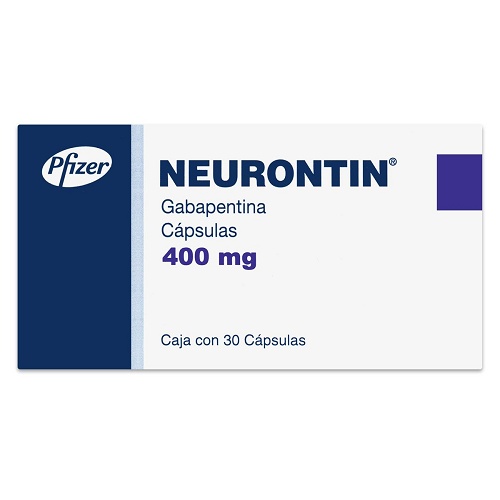
  • Packaging: Blister packs or bottles with clear expiry date, batch number, manufacturer’s logo (Pfizer for Neurontin).
  • Tablet/Capsule Appearance: Consistent shape, colour, and imprint (e.g., “Pfizer” and strength marking for original).
  • Patient Information Leaflet: In English, with TGA registration number (AUST R-xxxxxx).
  • Security Features: Some packs may include QR codes or holograms—ask your pharmacist to demonstrate these.

How to Avoid Counterfeit Neurontin

  • Never buy gabapentin from a website or seller that does not require an Australian prescription.
  • Beware of prices that sound “too good to be true.” Counterfeit drugs may contain little or no active ingredient, or dangerous substances.
  • If you notice changes in packaging, appearance, or effect after a refill—ask your pharmacist immediately.

Generics vs Counterfeits: Generics are approved by the TGA and dispensed with a prescription from Australian pharmacies. Counterfeit Neurontin is illegal, unsafe, and not subject to any quality control.

How to Get Neurontin Legally in Australia: Step-by-Step Guide

  1. Consult a Registered Doctor (in person or via approved telehealth): Discuss your symptoms, medical history, and suitability for gabapentin. Only a registered practitioner in Australia can prescribe it.
  2. Receive a Prescription: If appropriate, your doctor will provide a paper or electronic (eScript) prescription.
  3. Choose a Pharmacy: Take your prescription to a local Australian pharmacy or an online pharmacy that is licensed and based in Australia. Only these providers can legally dispense gabapentin under supervision.
  4. Medication Review and Dispensing: The pharmacist will check for interactions, provide counselling, and supply medication in original packaging with official information.
  5. Follow-up: Arrange regular reviews with your prescribing doctor to monitor effect, side effects, and need for ongoing therapy.

Note: The Pharmaceutical Benefits Scheme (PBS) subsidises gabapentin for specific neuropathic pain conditions, reducing out-of-pocket costs for eligible patients.

What to Do in Case of Neurontin Overdose: Emergency Steps

  1. Stop taking gabapentin immediately.
  2. Call emergency services: Dial 000 in Australia for immediate assistance.
  3. Provide details: Tell paramedics the exact dose and time taken, and any other medicines used (especially sedatives or alcohol).
  4. Do not attempt to self-treat or wait for symptoms. Overdose can cause severe drowsiness, breathing problems, loss of consciousness, and in rare cases, life-threatening complications.

Don’t hesitate: Early intervention saves lives. Even if symptoms seem mild, professional assessment is essential.

Myth vs Reality: Neurontin in Everyday Use

Myth: “Neurontin will completely remove my nerve pain overnight.”
Reality: Neurontin can significantly reduce neuropathic pain for many, but improvement is usually gradual and may take several days or weeks. It does not cure nerve damage itself, and may not work for all pain types.
Myth: “If a little is good, more is better.”
Reality: Exceeding prescribed doses increases risks of sedation, falls, overdose, and dependence—without providing extra benefit.
Myth: “Online pharmacies that don’t ask for a script are safe.”
Reality: Only pharmacies licensed in Australia with a valid prescription can legally and safely supply gabapentin. Anything else is a legal and medical risk.

Living with Neuropathic Pain: Psychological Support and Next Steps

Neuropathic pain is common—and it’s not your fault. Many Australians live with nerve pain due to diabetes, shingles, or injuries. It’s normal to feel frustrated or down, especially if pain persists.

What helps (beyond medication):

  • Talking to your healthcare provider about non-drug options (physiotherapy, mindfulness, pain education)
  • Discussing concerns with your pharmacist or pain specialist
  • Seeking counselling if mood or sleep are affected—mentally and physically, pain is a challenge, not a weakness
  • Connecting with support groups in your community or online, several of which operate throughout Australia

Bottom line: You are not alone, and there are more options than just pills. Real improvements often come from combining medication with other evidence-based therapies.

Frequently Asked Questions About Neurontin in Australia

Do I need a prescription for Neurontin in Australia?
Yes, Neurontin (gabapentin) is prescription-only. You cannot obtain it legally without a valid Australian prescription.
Can I get Neurontin from an online pharmacy?
Yes, but only from licensed Australian online pharmacies that require and verify your prescription. “No prescription” sites are illegal and unsafe.
Is Neurontin covered by the PBS?
Gabapentin is subsidised under the Pharmaceutical Benefits Scheme for eligible neuropathic pain indications. Check with your doctor for details.
How quickly does Neurontin start working for pain?
Some improvement may be noticed within a few days, but maximum effect usually takes 1–2 weeks. Dose adjustments may be needed.
Can I drink alcohol while taking Neurontin?
It’s not recommended. Alcohol increases the risk of sedation, dizziness, falls, and other side effects.
What should I do if I miss a dose?
Take it as soon as you remember, unless it’s nearly time for the next dose. Don’t double up.
Are there any alternatives to Neurontin for nerve pain?
Yes, alternatives include pregabalin (Lyrica), certain antidepressants (amitriptyline, duloxetine), and non-drug therapies. Your doctor will recommend based on your individual needs.
Can I suddenly stop taking Neurontin?
No. Sudden cessation risks withdrawal symptoms and seizure (if used for epilepsy). Taper only under medical supervision.
Are generics as effective as brand-name Neurontin?
Yes. Generic gabapentin available in Australia is considered bioequivalent to Neurontin.
Does Neurontin cause dependence?
Gabapentin has some potential for dependence, particularly in those with a history of substance misuse. Always use only as prescribed and discuss any concerns with your doctor.

References

About the Author

About the Author: doctor is a clinical educator and specialist in pain management who:
• Trained 137 medical residents and pharmacy students
• Serves as clinical faculty at the University of Sydney Medical School
• Authored 9 textbook chapters on neuropathic pain therapy
• Provides continuing education to 1,600 healthcare professionals annually
• Recognised as “Pain Medicine Educator of the Year” in Australia in 2025

This article was reviewed in accordance with Australian clinical guidelines and the latest TGA and PBS recommendations as of 2026.

If you believe you need Neurontin or have questions about neuropathic pain, consult a qualified pain specialist or your GP. For a list of specialists in your area, visit the Australia and New Zealand Society of Palliative Medicine or ask your local Primary Health Network.